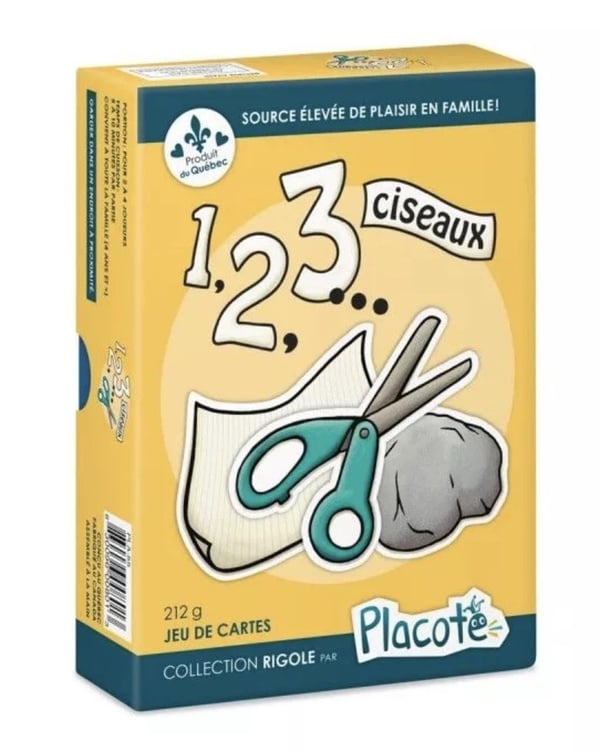
PLACOTE - 1 2 3 CISEAUX
20,00 €
Prix Cultura · 20/11/2026Indiqué en stockVoir le produit →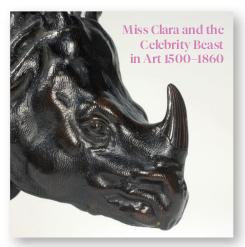
20,00 €
Indiqué en stock · État : Non précisé
Prix du catalogue mis à jour le 20/11/2026.
Importé le 20/11/2026.
Le prix et la livraison définitifs se vérifient dans le panier Cultura. Lien affilié, sans surcoût pour vous.
This book tells the fascinating story of the rhinoceros Miss Clara, the most famous animal of the eighteenth century. It accompanies the fi rst ever major loan exhibition devoted to Clara and celebrity pachyderms in the UK and will off er a signifi cant contribution to scholarship on the subject. The latest in the Barber’s acclaimed objectin- focus series, Miss Clara focuses on a small bronze sculpture of a rhinoceros, and also considers other celebrity beasts, the emergence of menageries and zoos, and the significance of the capture and captivity of these big beasts within wider academic discussions of colonialism and empire. ‘Miss Clara’ arrived in Europe from the Dutch East Indies in 1741, brought by a retired Dutch East India Company captain, Douwe Mout van der Meer, who then toured her round Europe (including England) to huge acclaim and excitement. Jungfer Clara (so christened while visiting Würzburg in 1748) was the fi rst rhino to be seen on mainland Europe since 1579 and the object of great wonder and aff ection. Her fame generated a massive industry in souvenirs and imagery from life-scale paintings by major masters to cheap popular prints; there were even Clara-inspired clocks and hairstyles. This book will look at the phenomenon of Clara but, unlike previous studies of the subject, will focus primarily on sculptural/3D representations of her, within the context of other celebrity pachyderms represented by artists between the 16th and 19th centuries. Miss Clara is one of the most remarkable and best-loved sculptures in the Barber and was praised by the great German art historian and museum director Wilhelm von Bode as ‘the fi nest animal bronze of Renaissance’ – a telling tribute to its quality, even if he misunderstood its date. The Barber’s cast is one of only two known, the other being at the V&A. There are also closely related marble versions. Other celebrity beasts featured will include the elephants Hansken, Chunee and Jumbo; Dürer’s and various London rhinos; and the hippo Obaysch, star of London Zoo in the 1850s, and the fi rst to be seen in Europe since the fall of the Roman Empire. The publication will consist of entries for the thirty exhibits – included extended texts by Dr Helen Cowie (York University) on images of Chunee and Obaysch – preceded by three essays. Robert Wenley, Deputy Director of the Barber Institute, and the curator of the exhibition, will relate the story of Miss Clara (and of other celebrity rhinos), and explore the sculptural representations of her, presenting new research into their attribution and dating. The eminent sculptural historian, Dr Charles Avery, formerly of the V&A Museum and Christie’s, will write a complementary essay about celebrity elephants in Europe between 1500 and 1700. Dr Sam Shaw (Open University), will discuss private menageries and public zoos between about 1760 and 1860 in the UK, and consider celebrity pachyderms as emblems of empire and colonialism.
Description fournie par Cultura, qui peut contenir des appréciations commerciales. Elle ne constitue pas un avis ou un test Comparomax.
Non classé. Proximité de catégorie et de prix ; vérifiez le format et l’usage avant de comparer.
20,00 €
Prix Cultura · 20/11/2026Indiqué en stockVoir le produit →
20,00 €
Prix Cultura · 20/11/2026Indiqué en stockVoir le produit →
20,00 €
Prix Cultura · 20/11/2026Indiqué en stockVoir le produit →
20,00 €
Prix Cultura · 20/11/2026Indiqué en stockVoir le produit →Une offre Cultura est suivie pour cette référence. Le bouton mène à sa fiche produit exacte via Awin.
Nous ne pouvons pas l’affirmer avec un seul marchand suivi. Le prix indiqué vient du catalogue Cultura à la date affichée.
L’import contrôle la présence d’une image, d’un prix et de liens correspondant au programme Cultura. Les informations descriptives restent celles du marchand ; les caractéristiques fabricant ajoutées sont explicitement sourcées.